
Moving to another country is exciting. But nothing kills that excitement faster than realizing you can’t get paid, can’t pay rent, and can’t do much of anything without a local bank account. If you’re an Indonesian living overseas, or planning to, figuring out how to open a bank account abroad is one of the very first things you should sort out. And if you already have a plan to work abroad from Indonesia, a foreign bank account is basically non-negotiable.
Share your referral code with friends and family. When they sign up and complete a transaction, you earn points or rewards based on the active program.
*Rewards and mechanics may vary by program period. Terms and conditions apply.
Why You Need a Bank Account in a Foreign Country
Some people try to get by with just their Indonesian bank card abroad. It works, sort of, but it’s far from ideal. You’ll face currency conversion fees on every transaction, limited ATM access, and you definitely can’t receive a local salary into a foreign card easily.

1. Getting Paid Locally
If you land a job abroad, your employer almost always needs a local bank account to deposit your salary. Trying to get paid internationally into an Indonesian account creates delays and extra costs that add up fast.
2. Paying Bills and Rent
Most landlords and utility companies abroad prefer direct bank transfers or local debit cards. Without a local account, you’re stuck finding workarounds every single month.
3. Building a Financial Footprint
Having a local bank account helps you establish financial credibility in your new country. This matters later if you ever want to apply for a credit card, a loan, or even a phone plan.
What Documents You Typically Need
Requirements vary by country and by bank, but there’s a core set of documents that almost every foreign bank will ask for. Getting these ready before you walk in (or open the app) saves you a lot of back-and-forth.
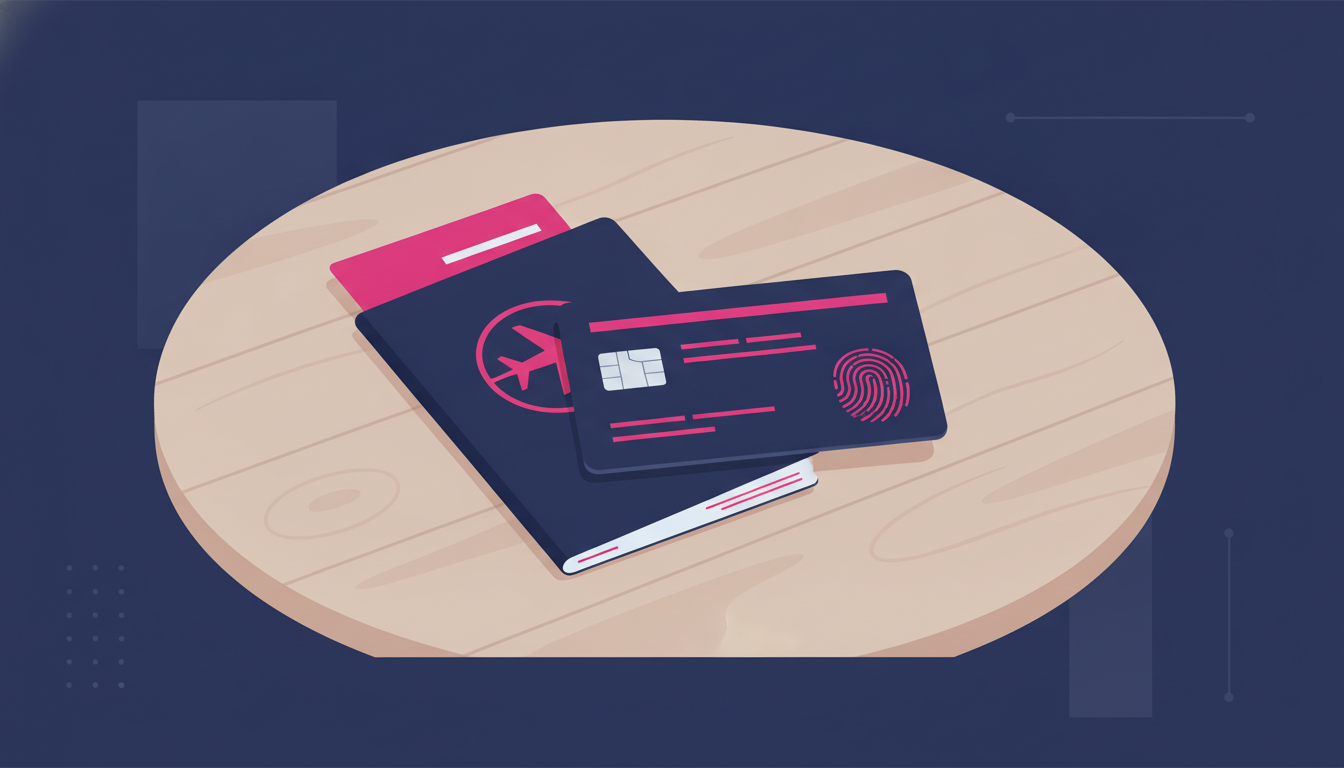
1. A Valid Passport
Your passport is your primary identity document abroad. Make sure it’s valid and not close to expiry. If you’re not sure what documents count as valid ID, check out this overview of what a passport is and how to get one.
2. Proof of Address
Banks want to know where you live. A utility bill, rental agreement, or an official letter from your employer or university usually works. Some banks accept a government-issued letter too.
3. Visa or Residence Permit
Most countries require you to have a legal right to be there before they let you open an account. Your work visa, student visa, or residency permit covers this.
4. Tax Identification Number (where applicable)
Countries like Singapore, Malaysia, and Australia may ask for a local tax ID or at least your home country’s tax ID number. This is increasingly common due to international tax reporting rules.
5. Employment Letter or Enrollment Proof
Some banks, especially for newcomers, want to see proof of why you’re in the country. A job offer letter or university enrollment confirmation can help you get approved faster.
Step-by-Step: How to Open a Bank Account Abroad
Now let’s get practical. Here’s a general process that applies to most countries, whether you’re heading to Singapore, Malaysia, Australia, Japan, or anywhere else.

1. Research Banks Before You Arrive
Don’t wait until you land. Do your homework in advance. Look for banks in your destination country that are known to be foreigner-friendly. Some banks have specific accounts designed for expats or international workers.
2. Consider Digital or Neobanks
In many countries, digital banks have made it dramatically easier to open an account. Apps like Wise, Revolut, or local neobanks often let you sign up with just your passport and a selfie, before you even arrive. These can be a great bridge while you set up a traditional account.
3. Gather Your Documents Early
Use the document checklist above and start collecting everything before your move. Certified translations may be needed if your documents are in Bahasa Indonesia.
4. Visit the Branch or Apply Online
Once you’re in the country, visit a branch with all your documents, or complete the online application if the bank allows it. Be patient. Some banks require multiple visits or ask for extra documents for non-residents.
5. Activate and Link Your Account
Once approved, activate your account, set up your online banking, and get your debit card. Link it to your employer’s payroll system and any local payment apps you’ll use regularly.
Tips for Specific Countries
Different destinations have different rules. Here are some quick pointers for popular destinations among Indonesians working abroad.
1. Opening a Bank Account in Singapore
Singapore has a well-developed banking sector. Major banks like DBS, OCBC, and UOB all offer accounts for foreigners. You’ll typically need your passport, Employment Pass or S Pass, and proof of address. If you’re planning to work there, read up on how to work in Singapore as a foreigner so you have the right visa in hand first.
2. Opening a Bank Account in Malaysia
Banks like Maybank, CIMB, and Public Bank are foreigner-friendly. You’ll need your passport and a valid work or residence permit. Note that the time difference between Indonesia and Malaysia is minimal, which makes coordinating with your family back home much easier once you’re sending money regularly.
3. Opening a Bank Account in Australia or Europe
These regions tend to have stricter Know Your Customer (KYC) requirements. Digital banks are a popular first step. In Australia, Commonwealth Bank and ANZ have expat-friendly onboarding. In Europe, Revolut and N26 work across multiple countries with minimal paperwork.
Managing Money Across Two Countries
Once you have a foreign bank account up and running, the next challenge is managing money in two currencies at once. Keeping track of your savings and spending on both sides of the border takes some planning.
A few smart habits go a long way. Keep separate mental budgets for your local expenses and your remittances home. Build up an emergency fund in your local currency first. And learn to time your transfers when it makes sense for you. For more practical tips, this guide on managing finances across two currencies is genuinely useful even beyond the Ringgit-Rupiah context.
See Also: How to Save Money: A Practical Guide That Actually Works
Perfect for community managers, group admins, content creators, or anyone who wants to help others send money abroad — and get rewarded for it.
- ✓Promote Transfez using your affiliate link or code
- ✓Earn a commission each time a referred user completes a transaction
- ✓Official program — full info page & T&Cs available
*Terms and conditions apply. Rewards are subject to change in accordance with program policy.
Download the Transfez App
The Transfez app helps you send money abroad faster, cheaper, and more efficiently. Jack Finance can also support your company's cross-border transactions. Sending money to family studying, working, or traveling overseas? Transfez has you covered. Available on Android and iOS — download now!