
Picture this: you’ve booked your dream flight, packed your bags, and you’re buzzing with excitement, only to realize you have no idea whether your passport is still valid, or whether you even have one. It happens more often than you’d think. Whether you’re planning your very first trip overseas or you’re a seasoned traveler brushing up on the basics, understanding what a passport is and how it works is genuinely one of the most important things you can do before going global. If you’re also thinking about how to work abroad from Indonesia, a valid passport is literally step one.
Share your referral code with friends and family. When they sign up and complete a transaction, you earn points or rewards based on the active program.
*Rewards and mechanics may vary by program period. Terms and conditions apply.
What Is a Passport, Exactly?
A passport is an official government-issued travel document that proves two things: your identity and your nationality. Think of it as your golden ticket to crossing international borders legally. Without it, most countries simply won’t let you in.

Beyond just getting you through border control, a passport is widely accepted as a primary form of identification around the world. It carries your full name, date of birth, photo, nationality, and a unique passport number that authorities use to track your travel history.
1. The Core Purpose of a Passport
At its heart, a passport does three key things:
- Proves who you are to foreign governments and immigration officers.
- Confirms your citizenship, which determines what rights and protections your home country can offer you abroad.
- Enables re-entry back into your own country after traveling overseas.
No other single document carries all three of those functions at once. That’s exactly why it’s so powerful and so essential.
2. What Information Does a Passport Contain?
Open up any standard passport and you’ll find a data page packed with key details:
- Full legal name
- Date and place of birth
- Passport number
- Issue and expiry dates
- Nationality and country of issue
- A Machine Readable Zone (MRZ), which is the two lines of coded text at the bottom of your photo page that scanners read instantly
Modern passports also contain a biometric chip embedded in the cover, which stores a digital version of your photo and fingerprints. This makes them significantly harder to forge.
Types of Passports You Should Know About
Not all passports are created equal. Depending on who you are and why you’re traveling, you might be issued a different type of passport. Here’s a quick rundown.
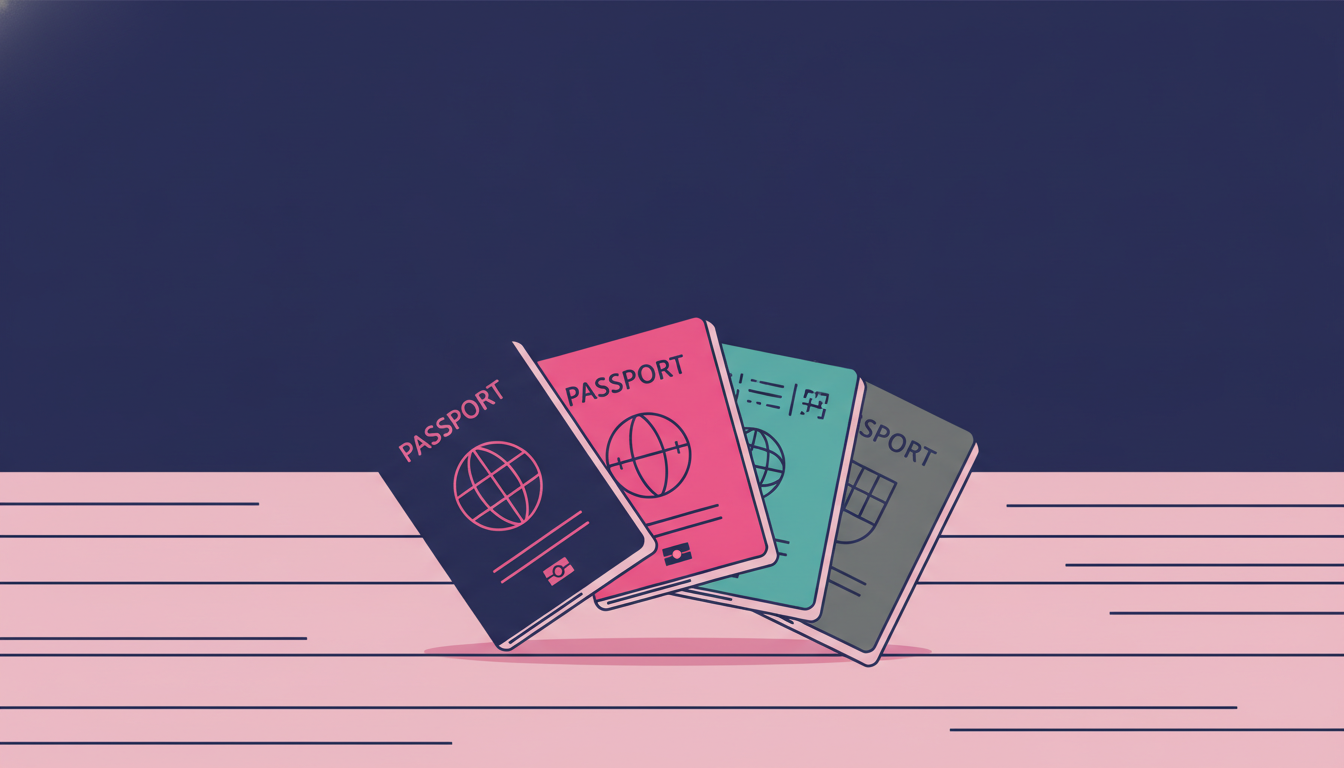
1. Regular (Ordinary) Passport
This is the standard passport most people carry. It’s issued to ordinary citizens for personal travel, tourism, business trips, and study abroad. If you’re planning to study abroad as an international student, this is almost certainly the type you’ll need.
2. Official Passport
Issued to government employees traveling for official state business. It’s not available to the general public, and it signals to foreign authorities that the holder is traveling on behalf of their government.
3. Diplomatic Passport
Reserved for diplomats, ambassadors, and senior government officials. Holders often receive special treatment at borders and may be exempt from certain customs inspections under international law.
4. Emergency or Temporary Passport
Lost your passport while already abroad? This is your lifeline. Emergency passports are issued quickly by embassies or consulates and are usually valid for a short period, just enough to get you home safely.
Why Your Passport Matters Beyond Just Traveling
Here’s something many people overlook: your passport isn’t just a travel document. It carries real-world weight in a variety of situations.
1. It Unlocks Visa Applications
Applying for a visa to another country? Your passport number, issue date, and expiry date are the foundation of almost every visa application form. The strength of your passport, meaning how many countries you can enter without a prior visa, also varies by nationality.
2. It’s a Universal ID
Banks, embassies, foreign employers, and universities abroad routinely ask for your passport as proof of identity. It carries more international credibility than a national ID card in most contexts.
3. It Protects You Abroad
Your passport links you to your home country’s consular protection network. If you’re in trouble overseas, your embassy uses your passport to verify your citizenship and provide assistance. This is especially relevant if you’re part of the broader Indonesian diaspora living and working far from home.
How to Get a Passport: A Step-by-Step Overview
The exact process differs by country, but the general framework is pretty consistent across the board. Here’s what the journey typically looks like.

1. Gather Your Documents
Before you even walk into a passport office, collect the essentials:
- Proof of citizenship (birth certificate or existing citizenship document)
- A valid national identity card
- Recent passport-sized photos meeting official specifications
- Completed application form (usually downloadable from your country’s immigration website)
- Any supporting documents if applying for a child or renewing an existing passport
2. Submit Your Application
Head to your nearest immigration office or passport-issuing authority. In many countries, you can now start the process online and only visit in person for biometric data capture (your photo and fingerprints). Book your appointment early, especially during peak travel seasons, because slots fill up fast.
3. Pay the Required Fee
Passport fees vary depending on your country, the type of passport, and how quickly you need it. Standard processing is cheaper; expedited or rush processing costs more. Check the current rates on your government’s official immigration portal.
4. Wait for Processing
Standard processing can take anywhere from a few days to several weeks. If you have a confirmed travel date coming up soon, apply for expedited processing or visit in person and explain your situation. Always give yourself a buffer, ideally several weeks before your travel date.
5. Check Validity Before Every Trip
Many countries require your passport to be valid for at least six months beyond your intended stay. Even if your passport technically hasn’t expired, you could be denied boarding if it’s too close to the expiry date. Always check before you book, not after.
Tips to Keep Your Passport Safe
Losing your passport abroad is one of the most stressful experiences a traveler can face. A few simple habits can save you a world of trouble.
- Make digital and physical copies of the data page and store them separately from the original.
- Use a passport holder or hidden travel pouch to avoid pickpocketing in busy tourist areas.
- Never hand your passport to anyone unofficial, especially at hotels or travel agencies, without understanding exactly why they need it.
- Store your passport in the hotel safe when you don’t need it for the day.
- Report a lost or stolen passport to both local police and your nearest embassy immediately.
And if your travels extend to cruise trips, note that passport requirements can be slightly different depending on the itinerary. Check out our guide on requirements for international cruise travel to make sure you’re fully prepared.
See Also: How to Find a Job Abroad: A Practical Guide
Perfect for community managers, group admins, content creators, or anyone who wants to help others send money abroad — and get rewarded for it.
- ✓Promote Transfez using your affiliate link or code
- ✓Earn a commission each time a referred user completes a transaction
- ✓Official program — full info page & T&Cs available
*Terms and conditions apply. Rewards are subject to change in accordance with program policy.
Download the Transfez App
The Transfez app helps you send money abroad faster, cheaper, and more efficiently. Jack Finance can also support your company's cross-border transactions. Sending money to family studying, working, or traveling overseas? Transfez has you covered. Available on Android and iOS — download now!