
You’ve been dreaming about it for months, waking up to a new port every morning, sipping something cold on a deck, and watching the ocean stretch endlessly in every direction. International cruises genuinely deliver that kind of magic. But here’s the thing: showing up at the terminal without the right paperwork? That can turn your dream trip into a nightmare faster than you can say “boarding denied.” If you’re planning a trip abroad, it’s also worth brushing up on general travel prep, like knowing how to shop duty-free at your ports of call to make the most of every stop.
Share your referral code with friends and family. When they sign up and complete a transaction, you earn points or rewards based on the active program.
*Rewards and mechanics may vary by program period. Terms and conditions apply.
Why International Cruises Have Stricter Requirements Than Regular Flights
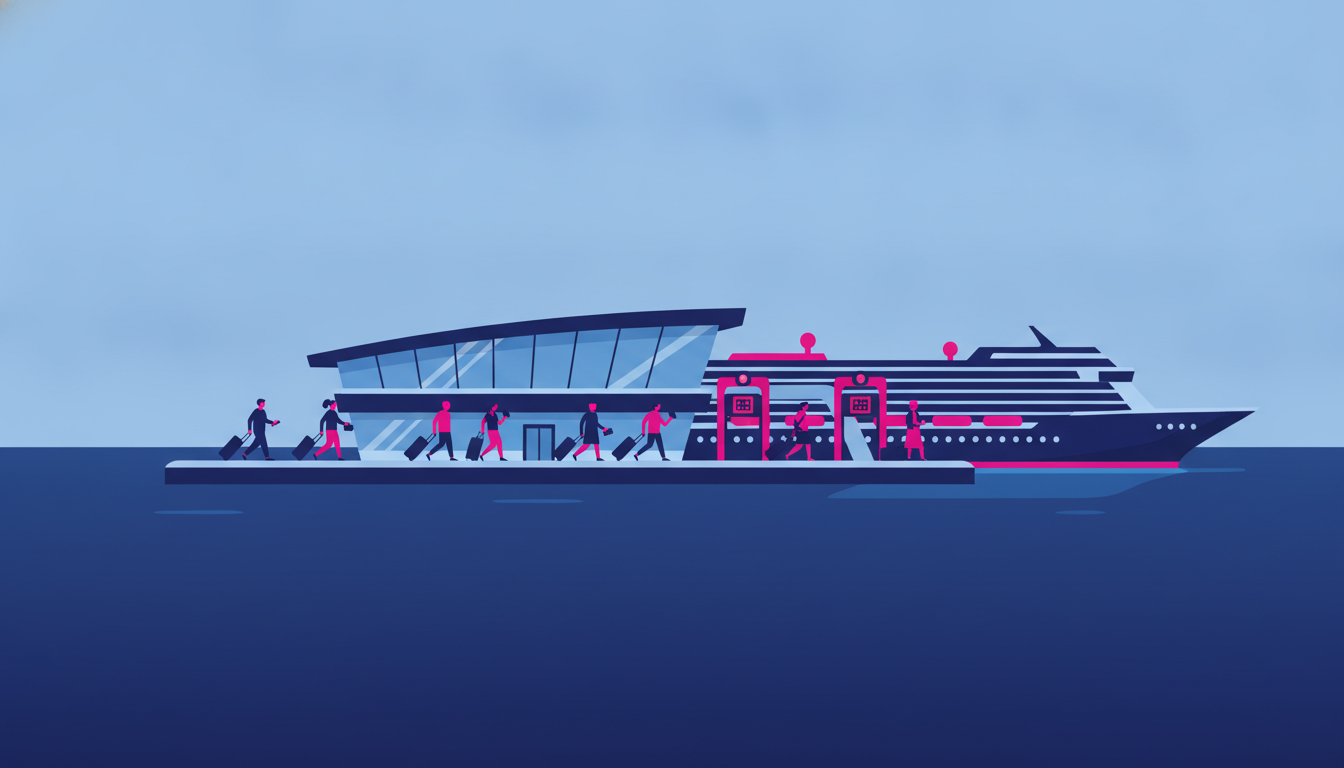
You might think, “It’s just a boat trip, how complicated can it be?” Quite a bit, actually. When you sail internationally, your ship crosses multiple country borders, often within a single week. That means immigration rules from each destination apply to you, not just your home country.
1. You’re Entering Multiple Countries at Once
A typical 7-night Southeast Asia or Mediterranean cruise might stop in four to six different countries. Each of those nations has its own visa and entry rules. The cruise line coordinates a lot of this behind the scenes, but the responsibility to have the right documents still falls on you.
2. Cruise Lines Set Their Own Additional Rules
Beyond government requirements, cruise companies have their own policies, age restrictions, health declaration forms, vaccination requirements (depending on the route), and even dress codes for certain onboard areas. Always check your specific cruise line’s website before packing.
Core Document Requirements for International Cruise Travel
Let’s get into the actual checklist. These are the non-negotiables you need to sort out well before your departure date.
1. A Valid Passport
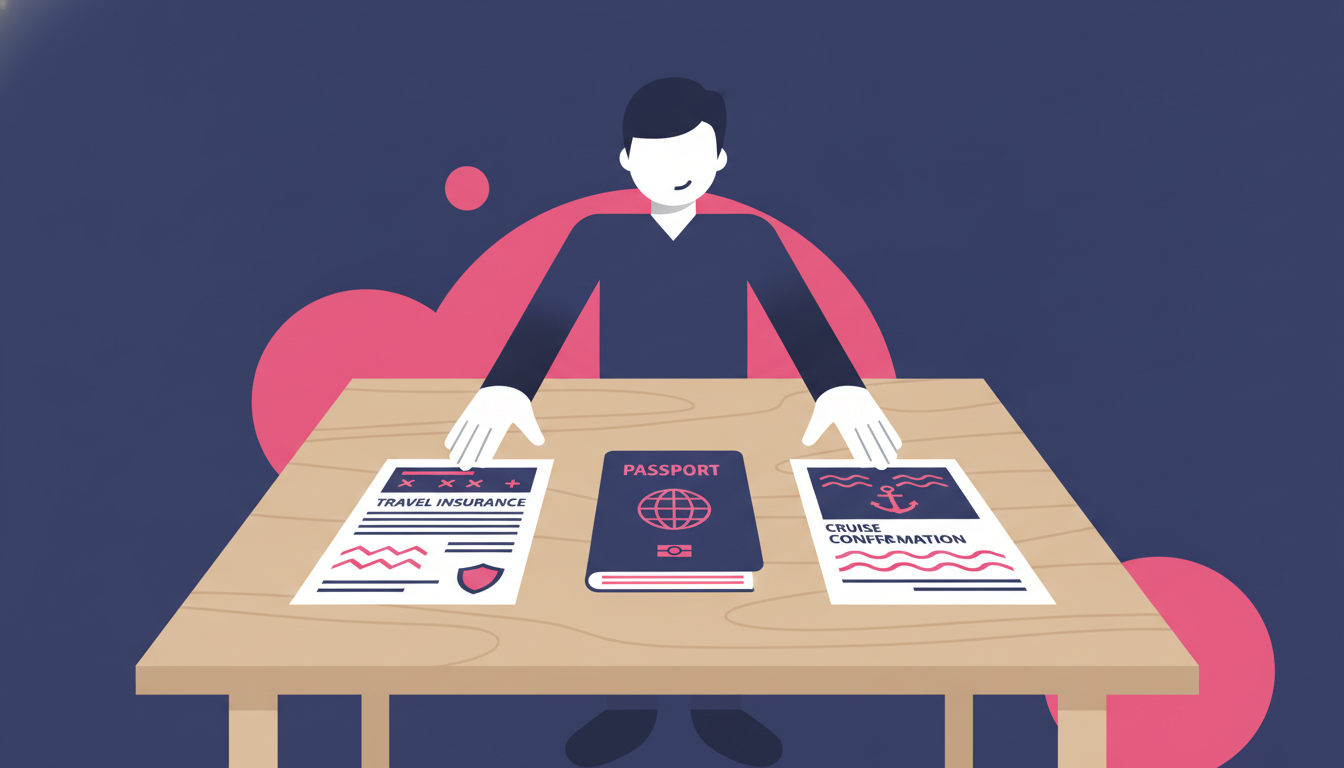
This is the big one. Unlike some domestic ferries or land crossings, international cruises almost universally require a valid passport, not just a national ID. Most countries and cruise lines also require that your passport be valid for at least six months beyond your return date. Check the expiry on yours right now. Seriously.
2. Visas for Each Port Country
Depending on your nationality, you may need visas for some, or all, of your port stops. Some countries offer visa-on-arrival or e-visa options, while others require advance applications. Your cruise line will often publish a destination guide for each itinerary, but always cross-check with the official embassy or consulate websites for the most current rules.
3. Your Cruise Booking Confirmation
Keep a printed and digital copy of your cruise booking confirmation, your cabin assignment, and your onboard account details. You’ll need to present these at check-in and occasionally at port entries.
4. Travel Insurance Documents
Travel insurance isn’t just a “nice to have” on a cruise, many cruise lines now strongly recommend or even require it. Make sure your policy covers medical evacuation at sea, trip cancellation, and lost baggage. Carry proof of your coverage at all times.
5. Health and Vaccination Records
Certain cruise routes, particularly those involving tropical regions or countries with specific health entry requirements, may ask for proof of vaccinations. Yellow fever certificates, for example, are required in some African and South American ports. Check the health requirements for every country on your itinerary.
Financial and Practical Requirements You Shouldn’t Overlook
Beyond the documents, there’s a whole layer of practical prep that catches many first-time cruisers off guard.
1. Onboard Account Setup
Most cruise ships operate as a cashless environment onboard. You’ll link a credit or debit card to your cabin account when you check in, and all purchases, drinks, spa treatments, shore excursions, are charged to that account. Make sure your card works internationally and has a sufficient limit for the trip.
2. Local Currency for Shore Excursions
While the ship itself may be cashless, many port towns, especially in Southeast Asia or Eastern Europe, are very much cash-based. Plan to carry some local currency at each stop. Using a reliable international money transfer or remittance app can help you or your family back home send funds quickly if you ever need a top-up while traveling. Transfez, for instance, makes cross-border transfers straightforward for travelers and their families.
3. Emergency Contact and Next-of-Kin Information
Cruise lines require emergency contact details during the booking process. Keep a physical list of important numbers, your cruise line’s emergency line, your travel insurer, and your country’s nearest embassy for each destination.
Special Requirements Depending on Your Cruise Route
Not all international cruises are equal. The requirements shift significantly based on where you’re sailing.
1. Asia-Pacific Cruises
Popular routes through Singapore, Thailand, Japan, and Vietnam often require specific visa arrangements. Singapore, a common embarkation hub, is relatively straightforward for most nationalities, but ports like Vietnam may need advance visas. If you’re departing from or stopping in Singapore, it’s also handy to know about perks like the Discovery Voucher in Singapore that tourists can sometimes take advantage of during their stay.
2. Mediterranean and European Cruises
If you hold a passport that requires a Schengen visa, a Mediterranean cruise covering multiple European Union countries typically only requires one Schengen visa, but always verify this with your cruise line and the relevant embassies.
3. Caribbean and Americas Cruises
Some Caribbean islands have very relaxed entry requirements, while others, particularly if you’re sailing close to the United States, may have stricter immigration checks, including biometric data collection. Plan well in advance.
Tips to Stay Organized and Stress-Free
- Start your document prep at least 3 months early. Visa applications and passport renewals take time.
- Make digital and physical copies of everything. Store them in a secure cloud folder and leave a set with someone you trust at home.
- Join your cruise line’s app or online portal. Most allow you to upload documents, pre-select dining times, and book shore excursions in advance.
- Pack a waterproof document pouch. You’ll thank yourself at rainy port stops.
- Know your ship’s re-boarding time. Missing the ship at a port is a real thing that happens, and you’ll need your passport and emergency contacts to sort it out.
See Also: Duty-Free Shopping in Singapore: How to Buy Online and Offline
Perfect for community managers, group admins, content creators, or anyone who wants to help others send money abroad — and get rewarded for it.
- ✓Promote Transfez using your affiliate link or code
- ✓Earn a commission each time a referred user completes a transaction
- ✓Official program — full info page & T&Cs available
*Terms and conditions apply. Rewards are subject to change in accordance with program policy.
Download the Transfez App
The Transfez app helps you send money abroad faster, cheaper, and more efficiently. Jack Finance can also support your company's cross-border transactions. Sending money to family studying, working, or traveling overseas? Transfez has you covered. Available on Android and iOS — download now!