
You have probably felt it before. That quiet pull toward something bigger, a life beyond your hometown, a career built across borders. Maybe a friend just landed a job in Singapore and their Instagram looks incredible. Maybe you are simply tired of feeling stuck. Whatever the reason, working abroad is one of the most life-changing decisions you can make, and the good news is it is more achievable than most people think. If you are part of the growing Indonesian diaspora or simply dreaming of a fresh start overseas, this guide is for you.
Share your referral code with friends and family. When they sign up and complete a transaction, you earn points or rewards based on the active program.
*Rewards and mechanics may vary by program period. Terms and conditions apply.
Why Working Abroad Is Worth Considering
Before you start scrolling job boards at midnight, it helps to get clear on why you want to work abroad. Your reason shapes everything from the country you choose to the type of job you look for.

1. Career Growth and Global Experience
International work experience is a serious resume booster. Employers everywhere respect candidates who have navigated a foreign workplace, adapted to new systems, and delivered results outside their comfort zone. It signals adaptability, confidence, and maturity.
2. Higher Earning Potential
Depending on the country and your industry, salaries abroad can be significantly higher than what is available at home. When you combine that with the right savings habits, you can build wealth faster. Just make sure you are also thinking about how to send money home efficiently when the time comes.
3. Personal Development
Living in a new country forces you to grow. You navigate bureaucracy in a foreign language, make friends from scratch, and figure out how to cook with unfamiliar ingredients. It sounds stressful, and sometimes it is. But the version of you that comes out the other side is more resilient, more resourceful, and more open-minded.
How to Choose the Right Country for You
Not every country is the right fit for every person. Choosing where to work abroad is one of the most important decisions in this whole process, so take it seriously.
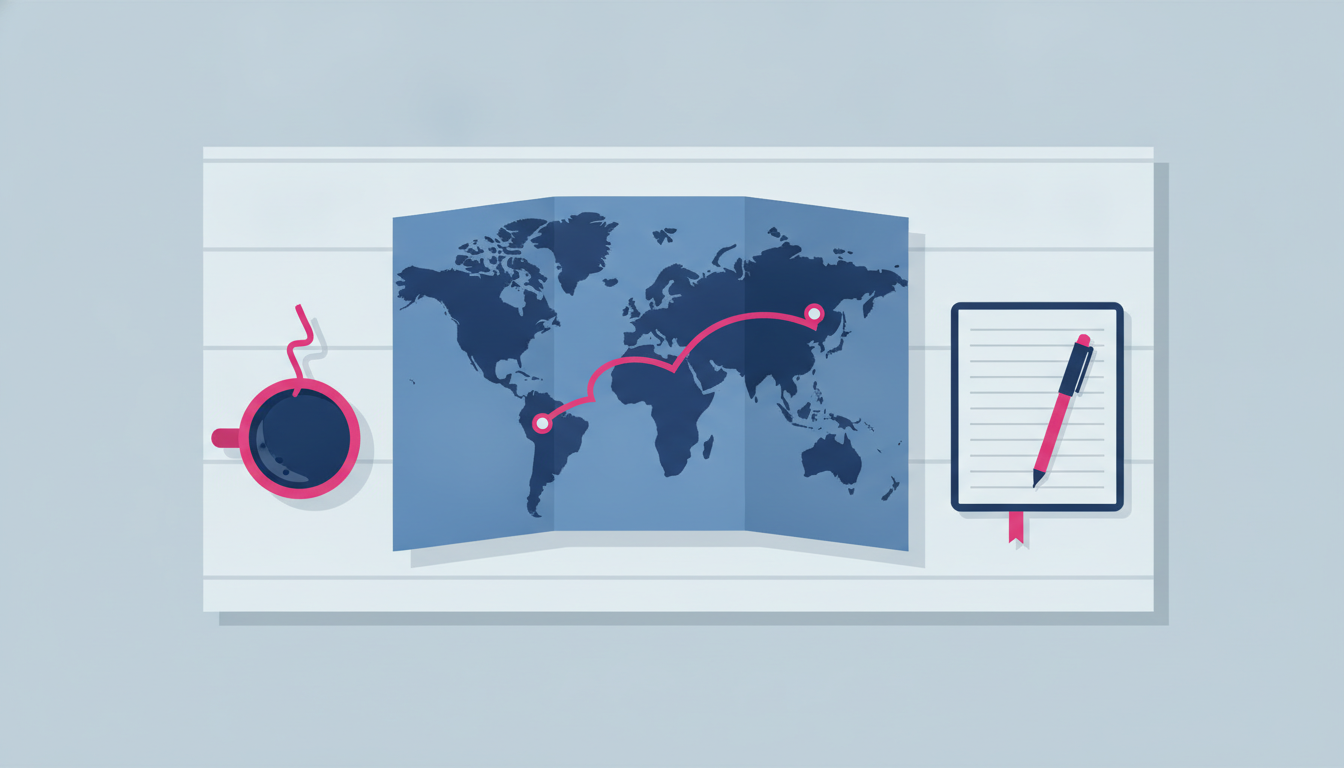
1. Match the Country to Your Career Field
Tech professionals tend to gravitate toward Singapore, Japan, or Germany. Healthcare workers often find strong demand in Australia, the UK, and the Middle East. Hospitality and service workers have great options across Southeast Asia and Europe. Research which countries have active demand in your field before committing.
For example, if you are considering Asia, check out this guide on how to work in Singapore or explore the compelling reasons to build your career in Japan. Both countries have strong job markets and active hiring pipelines for international workers.
2. Consider the Cost of Living
A high salary means little if rent, food, and transport eat most of it. Research the cost of living in your target city, not just the country. Cities like Zurich or London are famously expensive, while places like Kuala Lumpur or Ho Chi Minh City offer a more comfortable balance between earnings and expenses.
3. Check Visa and Work Permit Rules
Every country has its own rules for foreign workers. Some require job offers before you can apply for a work visa. Others offer special visas for skilled workers or recent graduates. Always verify the current requirements directly through the official immigration website of your target country. Rules change, so do not rely on secondhand information.
4. Think About Language and Culture
Are you comfortable working in a second language? Do you thrive in hierarchical workplaces or prefer flat, collaborative structures? Japan has very different workplace norms compared to the Netherlands, for example. Do your research, watch vlogs from expats living there, and be honest with yourself about what environment you will actually enjoy.
Steps to Get Ready Before You Go
Once you have a destination in mind, the real preparation begins. Here is a practical checklist to make sure you do not leave anything critical behind.

1. Get Your Documents in Order
Your passport is your most important travel document. Make sure it is valid for at least six months beyond your planned departure date. Beyond that, you will likely need certified translations of your diploma, work certificates, and sometimes even your birth certificate. Start this process early because it can take weeks.
2. Build Your Emergency Fund
Before you land, you should have enough savings to cover at least two to three months of living expenses in your new country. Things rarely go exactly as planned. Your first paycheck might be delayed. An unexpected expense might pop up. Having a financial buffer keeps a stressful situation from becoming a crisis.
3. Learn How to Manage Money Across Borders
This is where a lot of first-time overseas workers get caught off guard. You will need to open a bank account abroad, understand the local banking system, and figure out how to send money back home to your family. Apps like Transfez make international remittances straightforward, so your hard-earned money reaches home quickly and reliably. It is also worth reading up on how to track your income and expenses so you stay on top of your finances from day one.
4. Research Health Insurance Options
Do not assume your employer will cover everything. Some countries require you to purchase your own health insurance before you even arrive. Others provide national healthcare that foreign workers can access. Know what you are walking into before you get there.
5. Connect With the Expat Community
Facebook groups, Reddit communities, and local expat meetups are goldmines of real, up-to-date information. People who are already living where you are headed can tell you things no guidebook will. From which neighborhoods to avoid to how the local public transit actually works, this community knowledge is invaluable.
What to Expect in Your First Few Months
The first few months of working abroad are a rollercoaster. There will be moments of pure excitement and moments of genuine homesickness. Both are normal.
Give yourself permission to feel both. Culture shock is real, and it does not mean you made the wrong decision. It means you are human and you are adapting. Most expats say the adjustment period lasts around three to six months before the new place starts to feel like home.
Focus on building small routines. Find your regular coffee shop. Join a gym or a sports club. Explore one new neighborhood every weekend. These small habits create a sense of belonging faster than you might expect.
On the professional side, be patient with yourself at work too. Workplace culture differs enormously from country to country. What feels like a colleague being cold might just be the local communication style. Observe before you judge, ask questions, and show genuine effort. People respond to that everywhere.
Smart Financial Habits for Overseas Workers
Earning abroad is only half the equation. What you do with that money determines whether working overseas actually builds your future or just funds a more expensive lifestyle.
Set a savings target from your very first paycheck. Even if it is a small percentage, make it automatic. Look into whether your host country offers any retirement or pension contributions for foreign workers. Some do, and that is essentially free money toward your future. You might also want to explore how to invest in gold as a beginner, which is a stable and accessible option for people building savings across currencies.
When sending money home, be consistent and use a trusted platform. Transfez is built specifically for international remittances and designed to make the process simple, whether you are sending money monthly to support your family or saving up for a goal back home.
See Also: Why Study in Singapore: Top Reasons to Choose It
Perfect for community managers, group admins, content creators, or anyone who wants to help others send money abroad — and get rewarded for it.
- ✓Promote Transfez using your affiliate link or code
- ✓Earn a commission each time a referred user completes a transaction
- ✓Official program — full info page & T&Cs available
*Terms and conditions apply. Rewards are subject to change in accordance with program policy.
Download the Transfez App
The Transfez app helps you send money abroad faster, cheaper, and more efficiently. Jack Finance can also support your company's cross-border transactions. Sending money to family studying, working, or traveling overseas? Transfez has you covered. Available on Android and iOS — download now!