Essential Stages of the Work Document Legalization Process for South Korea: What You Must Know



Working in South Korea offers vast opportunities in manufacturing, IT, and entertainment for skilled Indonesians. Documents such as diplomas, employment reference letters, and Police Certificates (SKCK) must be legalized to be accepted by Korean immigration authorities for E-7 or E-9 visas. This process streamlines work permit applications and prevents rejections upon arrival.
Since Indonesia joined the Hague Apostille Convention, the legalization steps have become much more efficient. For countries like South Korea, which is also a member, the process is handled primarily through the Ministry of Law and Human Rights (Kemenkumham). The total timeframe is approximately 1–3 weeks, depending on document completeness. Following this sequence increases your chances of a hassle-free work visa approval. Here are the essential stages you need to know.
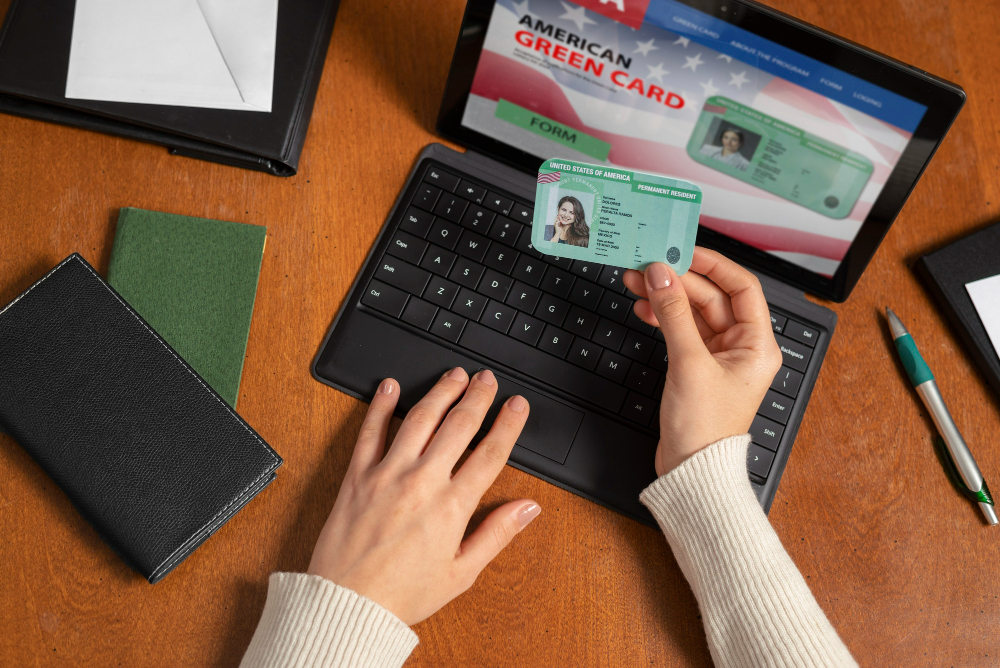
The first step is to collect your original bachelor’s degree or diploma, academic transcripts, and employment reference letters (minimum of 1 year of experience).
Condition: Ensure documents are free from stains or alterations to pass initial verification. Prepare high-quality color photocopies for subsequent stages. These documents form the core foundation of the E-7 visa for skilled workers.
Submit your original documents to a Sworn Translator registered with the Supreme Court to be translated into English.
Standard: The translation must capture every detail, including signatures and stamps, without adding interpretations. South Korean immigration accepts these standard English versions for rapid verification.
Take your diploma to the issuing university or the Ministry of Education (Kemdikbudristek) for an official authenticity stamp. For E-9 manufacturing workers, even high school diplomas require this step.
Importance: The issuing institution’s stamp is mandatory before moving to the Apostille stage, as it confirms the document’s source.
Take employment reference letters or contracts to a Notary Public to receive an official seal and legal stamp (Materai).
Purpose: Notarization is a prerequisite for non-government documents before they can receive an Apostille. In Korea, this proves that your work experience is authentic for the E-7 visa.
Apply online via the AHU Apostille portal (apostille.ahu.go.id) by uploading your legalized scans. The fee is IDR 50,000 per certificate.
Efficiency: Once approved (1–3 days), visit an AHU office in Jakarta or your regional Kemenkumham office to have the Apostille sticker attached to the original document. Since 2024, this single sticker replaces the old, long process involving the Ministry of Foreign Affairs and the Embassy.
Download the appropriate visa form (e.g., C-3-9 or D-7/E-7) from the South Korean Embassy’s website. Fill it out completely with your Korean sponsor’s details.
Requirement: Include a passport valid for at least 6 months and a 3.5×4.5 cm white-background photo. Prepare an invitation letter from your Korean employer to strengthen the application.
Submit your Apostilled documents and forms to the KVAC in Jakarta. The fee is approximately IDR 500,000.
Timeline: The processing time is usually 5–10 working days. For E-9 applicants via the EPS TOPIK program, remember to attach your Korean language test results.
Once you arrive in Korea, you may need to have your documents translated into Korean by a local authorized translator.
Verification: If requested by your employer, take them to the Ministry of Justice or the Korean MOFA to confirm the Apostille. This is often required for finalizing your work permit on the HiKorea.go.kr portal.
Read Also: Top 10 Career Opportunities in South Korea Highly Occupied by Foreign Workers
Within 90 days of entry, apply for your work permit and Alien Registration Card (ARC) at the nearest immigration office.
Supporting Files: You will need a medical check-up from a Korean hospital and your Apostilled SKCK. These permits are typically valid for 1–3 years based on your contract.
The legalization process for South Korea has become significantly easier thanks to the Apostille system, but it still requires strict attention to detail. By following these steps in order, you can secure your visa and permit without unnecessary drama. Good luck in realizing your dream of working in the Land of the Morning Calm!
Transfez App can help you transfer money to South Korea more quickly and efficiently. Jack Finance can also help your business in making transactions abroad. For those of you who want to send money to relatives who are abroad because they are studying, working, or traveling, Transfez will be ready to help. This app is available on Android as well as iOS.