Shop-House (Ruko) Investment: Benefits, Risks, and Proven Success Tips


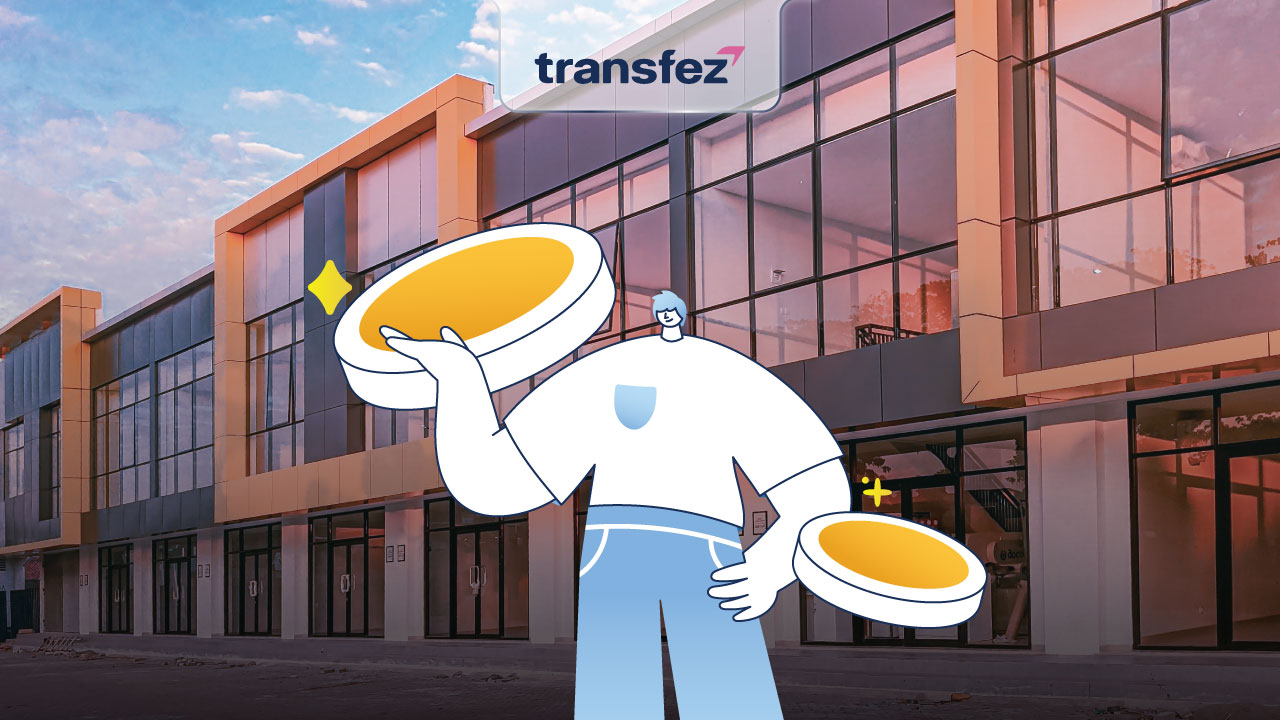
Investing in property is widely known as a low-risk and long-term investment, and one of the most profitable property assets is a shop-house (ruko). A ruko investment involves renting out a shop-house you own for business purposes, such as offices, retail stores, or storage facilities.
Because rukos are commonly used for commercial activities, their rental and resale values tend to be high, allowing investors to generate significant returns on their initial capital.
The term ruko stands for rumah toko, which is a property type designed primarily for business use. In many cases, rukos are also used as combined business and residential spaces.
If you’re curious about why Ruko Investment is attractive, let’s explore the full explanation below.
Like other property investments, Ruko investment offers several benefits that can steadily increase your wealth.
Most Ruko tenants are business owners with long-term business plans. As a ruko owner located in a commercial area, you have a strong opportunity to earn stable passive income.
You receive regular rental payments without having to actively manage daily business operations.
Rukos are typically developed in strategic and high-traffic areas by property developers. These areas are intentionally designed to become business hubs.
By purchasing a ruko, you’re effectively investing in a location with built-in demand, which helps you recover your capital faster due to strong rental interest.
Property investments, including rukos, are ideal for long-term wealth growth. Property prices generally increase every year, unlike stocks, which can fluctuate sharply and cause sudden losses.
This makes Ruko Investment a more stable option for conservative investors.
Despite its advantages, Ruko investment also comes with some limitations that you should consider carefully.
Unlike residential houses, Ruko buildings cannot be expanded or modified freely. The size, layout, and façade are determined by the developer.
If you want to enlarge or redesign the building, it is usually not permitted.
Most developers use uniform designs for an entire ruko complex. Sometimes, the design may not appeal to modern businesses that prefer elegant or contemporary aesthetics.
An unattractive design can make it harder to attract tenants in the future.
Some ruko locations are projected to be busy but turn out to be quiet in reality. This can negatively affect rental demand.
Since Rukos require a significant upfront investment, choosing a poor location may result in financial losses.
After understanding the pros and cons, here are proven tips to help you succeed in Ruko investment.
Rukos located on main roads are almost always busy and visible. These locations attract more businesses, allowing you to charge higher rental prices.
High traffic means higher demand.
Rukos located inside elite residential areas or self-sustained townships have excellent potential.
With a growing population, businesses naturally emerge to serve residents, making these rukos highly desirable.
Even if your ruko is in a strategic location, the rental price must remain reasonable.
A common pricing formula is:
Purchase Price × Capitalization Rate
(Average capitalization rate: 6%–9% per year)
Example:
If you buy a ruko for IDR 550 million, the maximum annual rent at 9% would be:
9% × 550 million = IDR 61 million per year
Rental pricing should also consider:
To maximize profits, you must regularly track market price increases and rental trends.
Two key metrics to monitor are:
Yield measures rental return:
(Annual Rent ÷ Purchase Price) × 100
Example:
Purchase price: IDR 500 million
Annual rent: IDR 40 million
Yield = (40 ÷ 500) × 100 = 8% per year
Capital Gain measures resale profit:
(Selling Price − Purchase Price) ÷ Purchase Price × 100
Example:
Buy price: IDR 500 million
Sell price: IDR 1 billion
Capital Gain = (1B − 500M) ÷ 500M × 100 = 100%
This means the investment doubled in value.
Ruko investment offers high rental income, long-term value growth, and high resale potential, especially when chosen strategically. However, understanding the risks, location dynamics, and pricing strategies is essential for success.
With proper planning and market awareness, Ruko investment can become a highly profitable property asset.
Transfez helps you send money abroad quickly, affordably, and securely. For businesses, Jack Finance simplifies international vendor payments. Whether you’re paying overseas staff, suppliers, or supporting a family member studying or working abroad Transfez is here to help. Available on Android and iOS.