
Picture this: you’ve just booked your dream trip overseas, your bags are mentally packed, and then someone asks, “Do you have a valid passport?” Cue the panic. If you’re new to international travel, figuring out what a passport is and how to get one can feel overwhelming. But it doesn’t have to be.
Share your referral code with friends and family. When they sign up and complete a transaction, you earn points or rewards based on the active program.
*Rewards and mechanics may vary by program period. Terms and conditions apply.
What Is a Passport, Exactly?
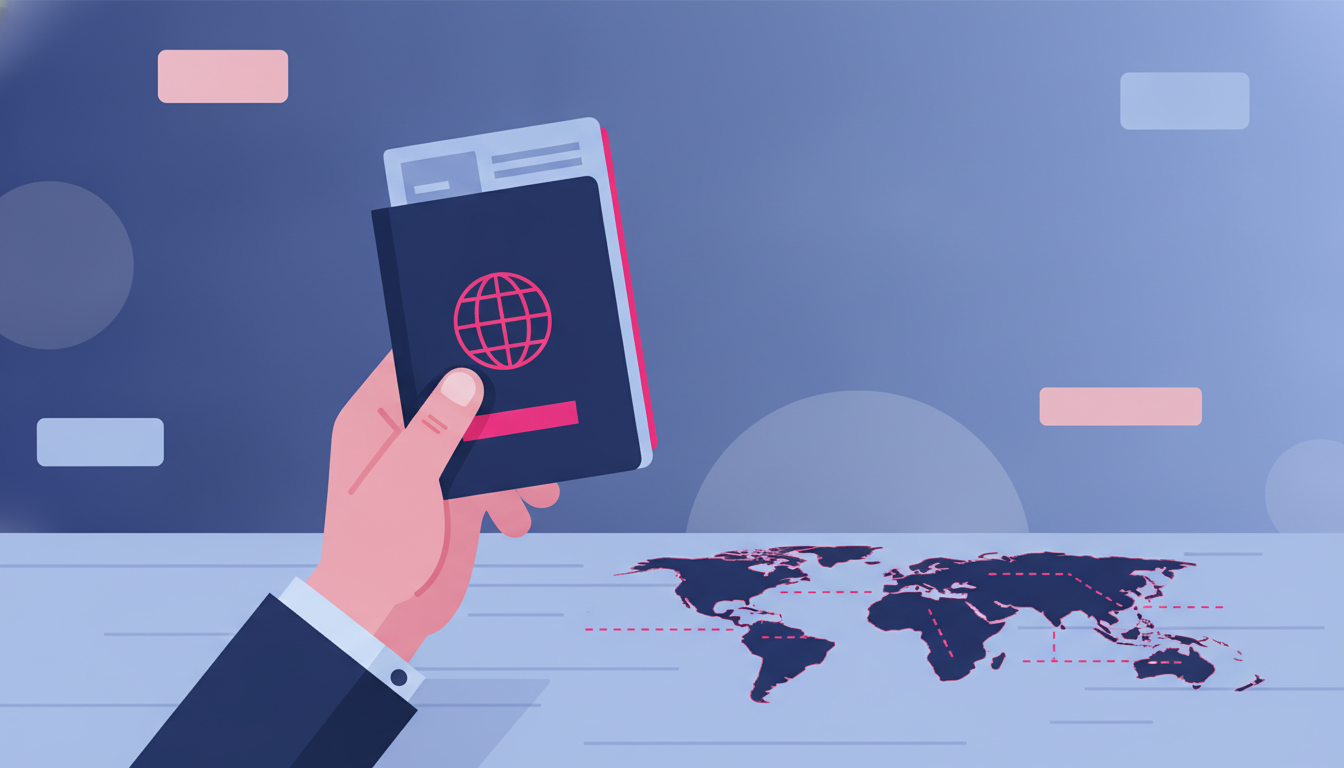
A passport is an official government-issued document that proves who you are and which country you’re a citizen of. Think of it as your golden ticket to crossing international borders legally. Without it, most countries simply won’t let you in.
1. Your Identity in Document Form
Your passport contains your full name, date of birth, photo, nationality, and a unique passport number. It essentially tells any border officer or immigration official everything they need to verify that you are who you say you are.
2. A Proof of Citizenship
Beyond identity, a passport confirms your citizenship. This matters because it determines what rights you have when traveling, including which countries you can enter without a visa and which require extra paperwork.
3. A Travel Permission Document
A passport doesn’t just let you leave your home country. It also helps you return. Most governments require citizens to carry a valid passport when re-entering their home country from abroad.
Types of Passports You Should Know About
Not all passports are the same. Depending on the purpose of your travel and your status, you might be issued a different type. Here’s a quick breakdown.

1. Regular or Ordinary Passport
This is the standard passport that most people hold. It’s issued to everyday citizens for personal travel, tourism, studying abroad, or work. If you’re reading this as a first-time traveler, this is almost certainly the type you’ll be applying for.
2. Official or Service Passport
This type is issued to government employees who are traveling for official state duties. It’s not available to the general public and comes with specific privileges in certain countries.
3. Diplomatic Passport
Reserved for diplomats and high-ranking government officials, a diplomatic passport offers additional legal protections and privileges when crossing borders. Again, this is not something regular travelers will encounter.
4. Emergency or Temporary Passport
Lost your passport while abroad? Many embassies can issue an emergency passport to help you get home. It’s typically valid for a short period and has limited use.
What Information Does a Passport Contain?
Open up any passport and you’ll notice it follows a fairly universal format. Here’s what you’ll typically find inside.
- Personal details page: Your full name, date of birth, gender, place of birth, and nationality.
- Passport photo: A recent, clear photograph of your face taken against a plain background.
- Passport number: A unique alphanumeric code that identifies your specific document.
- Issue and expiry dates: Most passports are valid for five to ten years, depending on the issuing country.
- Machine-readable zone (MRZ): Two lines of code at the bottom of the bio page that border scanners read automatically.
- Blank visa pages: The rest of the booklet is left empty for visa stamps and entry/exit stamps from countries you visit.
Why Do You Need a Passport?
Beyond the obvious reason of crossing borders, a passport serves several important purposes in your life as a traveler or expat.
1. International Travel
This is the big one. Whether you’re studying abroad, going on holiday, or relocating for work, you cannot board an international flight or cross a land border into another country without a valid passport.
2. Opening a Bank Account Abroad
Moving to another country often means needing a local bank account. Almost every bank will ask for your passport as a primary form of identification. Check out this guide on how to open a bank account abroad if that’s something you’re planning.
3. Applying for Visas
If the country you’re visiting requires a visa, your passport is the very first document they’ll ask for. No passport, no visa application, simple as that.
4. General Identification
When you’re living or traveling overseas, your passport often doubles as the most widely accepted form of ID in the world. Banks, hotels, government offices, and embassies all recognize it instantly.
How to Get a Passport: A Simple Overview
The exact process varies by country, but the general steps are similar almost everywhere.

- Check eligibility. Make sure you’re a citizen of the country where you’re applying. You usually cannot apply for a passport in a country where you’re not a citizen.
- Prepare your documents. Typically you’ll need a birth certificate, national identity card, proof of address, and a completed application form.
- Get a passport photo. Most countries have strict size and format requirements. Many pharmacies and photo studios offer passport photo services.
- Submit your application. Depending on the country, you may apply in person at a passport office, a government service center, or even online.
- Pay the application fee. Fees vary widely by country and passport type.
- Wait for processing. Standard processing usually takes a few weeks. Urgent or expedited options are often available for an additional fee.
- Collect your passport. You’ll either pick it up in person or receive it by mail.
Important Things to Know About Your Passport
1. Keep It Valid
Many countries require your passport to be valid for at least six months beyond your planned travel dates. Showing up at the airport with an expiring passport can mean being turned away at the gate. Always renew early.
2. Make Copies
Always keep a physical photocopy and a digital scan of your passport stored separately from the original. If it’s ever lost or stolen while you’re abroad, having copies will make replacing it much faster.
3. Guard It Like Gold
Your passport is one of the most valuable documents you own. Use a travel wallet or money belt, avoid leaving it in hotel rooms without a safe, and be cautious in crowded public spaces.
4. Sending Money Home Is Easier With It
If you’re living abroad and sending money back to family, your passport will often be needed to verify your identity on remittance platforms. Services like Transfez make transferring money from abroad to Indonesia straightforward, and having your passport details ready speeds things up.
See Also: Living Abroad Tips: How to Adapt and Thrive Overseas
Perfect for community managers, group admins, content creators, or anyone who wants to help others send money abroad — and get rewarded for it.
- ✓Promote Transfez using your affiliate link or code
- ✓Earn a commission each time a referred user completes a transaction
- ✓Official program — full info page & T&Cs available
*Terms and conditions apply. Rewards are subject to change in accordance with program policy.
Download the Transfez App
The Transfez app helps you send money abroad faster, cheaper, and more efficiently. Jack Finance can also support your company's cross-border transactions. Sending money to family studying, working, or traveling overseas? Transfez has you covered. Available on Android and iOS — download now!