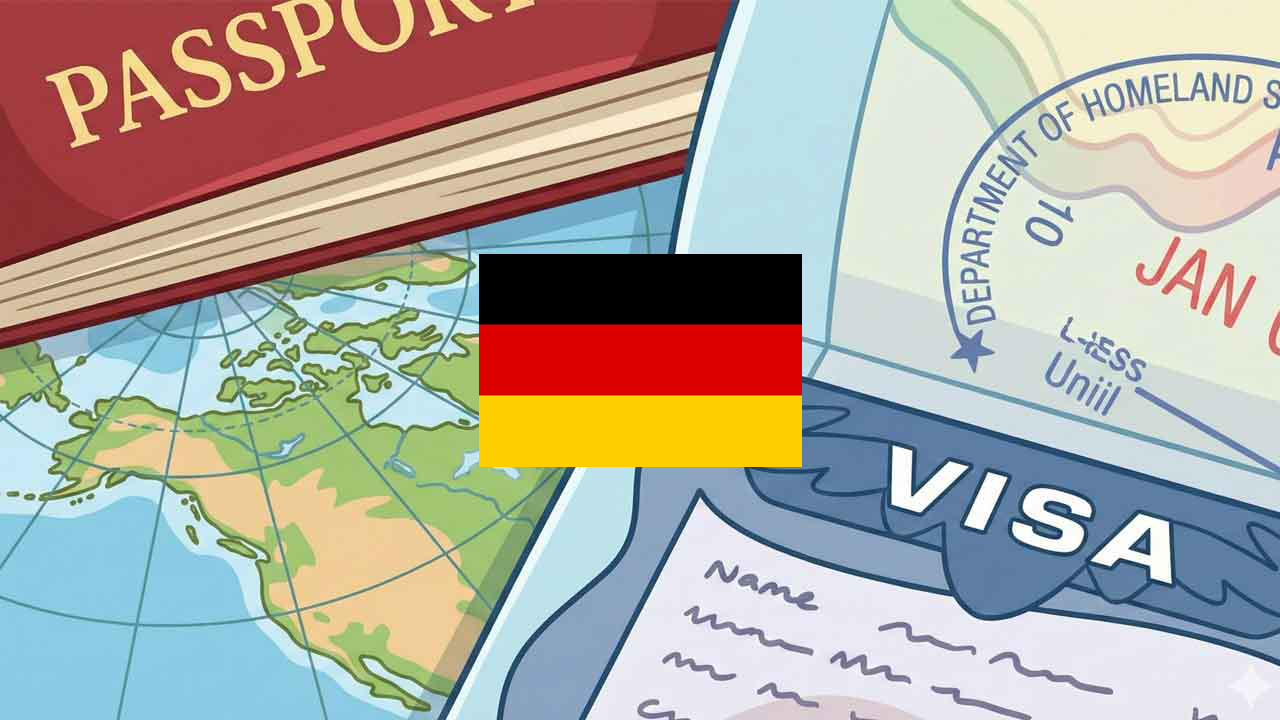
Understanding work visa regulations in Germany is essential for anyone aspiring to work legally and officially in the country. Holding the correct visa ensures that you can live and work in Germany with security and peace of mind.
As one of the world’s most developed nations, Germany is a top destination for global talent. Its robust economy, combined with leadership in fields like science, technology, engineering, and industry, makes it a magnet for international workers looking to advance their careers.
To reside in Germany for employment, foreign nationals must obtain a specific work visa that serves as official permission to live and work. Preparation is key; you must understand the different visa categories and the specific procedures for obtaining them.
Types of Visas Under German Work Visa Regulations

1. German Ausbildung Visa
This visa is designed for young individuals participating in a dual vocational training program (Ausbildung). Participants attend school while simultaneously gaining practical work experience at a company.
-
Duration: Usually 3 years.
-
Benefit: Participants receive a monthly stipend ranging from 600 to 1,200 Euro.
2. Vocational Visa with Partially Recognized Qualifications
Specifically for workers with foreign vocational qualifications that are not yet fully recognized in Germany. This visa allows you to work while completing additional training or education to bridge the gap. Once full recognition is achieved, you can apply for long-term residency.
3. Professional Visa with Academic Degree
This visa is for professionals holding an academic degree recognized in Germany. It is ideal for those in technology, healthcare, and research. It offers a path to permanent residency.
4. Professional Visa with Vocational Training
Professional status isn’t limited to university graduates; those with vocational education and relevant experience can also apply. This is common in the construction and medical sectors. You must provide proof of your qualifications and have a firm job offer from a German employer.
5. EU Blue Card (Germany)
The EU Blue Card is targeted at highly skilled foreign workers with a university degree and a job contract offering a specific minimum salary.
-
Benefit: Provides a fast track to permanent residency and the right to bring family members to Germany.
6. German Chancenkarte (Opportunity Card)
The Chancenkarte allows foreign workers to stay in Germany for up to six months specifically to look for a job.
-
Requirements: Applicants must meet a points-based system involving work experience, language proficiency (German), and sufficient funds to support themselves while working part-time.
7. Practical Skills Visa
This category is for those with significant practical expertise even if they lack a formal academic degree. It allows you to work in fields that match your specific skills, provided you meet the requirements set by the German government.
Procedures for Obtaining a German Work Visa

1. Find a Job in Germany
You cannot obtain a work visa without a concrete job offer. Secure a position with a German company first to initiate the process.
2. Verify Your Qualifications
Ensure your education and skills match the job requirements. Some positions require formal recognition of your degree or professional certificate.
3. Learn the German Language
Language proficiency is vital for daily life and professional success. Most visa categories require proof of German language skills (A1 to C1 levels).
Read Also: An In-Depth Look into German Work Ethics and Corporate Culture
4. Prepare Essential Documents
Standard requirements typically include:
-
A valid passport.
-
An official job offer or employment contract.
-
Diplomas or vocational certificates.
-
Proof of German language proficiency.
5. Submit Your Application to the Embassy
Apply for the visa at the German Embassy or Consulate in your home country. Ensure the application form is filled out correctly and all documents are attached.
6. Await Approval
Once submitted, the embassy will process your application. If approved, your official work visa will be issued.
7. Arrive and Register in Germany
Upon arrival in Germany, you must register at the local immigration office (Ausländerbehörde) to finalize your residence permit before starting work.
The work visa regulations in Germany are designed to be clear and accessible for Indonesian workers and other global talents. With a variety of visa types ranging from vocational training to high-level professional cards, your dream of working in Germany is within reach. Start your preparation today and apply for your visa before you depart!
Download Transfez App
Transfez App can help you transfer money to Germany more quickly and efficiently. Jack Finance can also help your business in making transactions abroad. For those of you who want to send money to relatives who are abroad because they are studying, working, or traveling, Transfez will be ready to help. This app is available on Android as well as iOS.